Trending

On a small island, market day is not an attraction laid on for visitors. It is the week's logistics: the fish van that comes over on the morning ferry, the baker who sells out by half nine, the grower who has driven the same crates of tomatoes down from the hills for twenty years. That is exactly why it is worth your morning — and exactly why you should turn up curious rather than demanding. A little preparation on timings, a pocket of the right cash and a working knowledge of local manners will get you a far better day out than any leaflet.
Island markets rarely run daily. Many are weekly, some fortnightly, and a fair few shift with the season — a summer market on the harbour, a winter one in the church hall. Online listings are often a year out of date. Ask at your accommodation, the village shop, the post office noticeboard or the harbour office. Whoever is behind the counter will know, and they will usually tell you which market is worth the trip and which is mostly tea towels.
If you want the good stuff, go early. The best fish, the first-cut flowers and the still-warm bread go in the first hour, and the people buying them are not tourists. If you want atmosphere, come back later, when the queue has become a conversation and the stallholder has time to talk. On hot islands the middle of the day empties out completely, so don't judge a market by how it looks at one o'clock.
Ask when they pack up rather than trusting the advertised closing time. Traders who have been standing since six will start folding tables the moment trade slows, and arriving at ten to one expecting a full market is a good way to irritate people who will remember you next week. Picnic shopping belongs in the first hour; dinner shopping can wait until the queue thins.
Cards are accepted more widely than they used to be, but island markets remain one of the last places where a card reader on a stall is still a pleasant surprise. Carry cash, and carry it sensibly.
It is worth a quick word with your bank before you go about overseas card fees and backup options, since a single card is a single point of failure. Prices at these markets are usually fixed rather than inflated, so read the room before bargaining: where the grower has chalked up a price, haggling is simply rude. Want a better deal? Buy more, or come back next week.
A market is a workplace with a social life attached, and the quickest way to be liked is to behave as though you are doing your weekly shop rather than filming a documentary. Watch how people queue — it is often not a line at all — and if you cannot work out whose turn it is, ask the stallholder who is next.
Ask what is good today rather than what you had planned to buy, and be guided by the answer. Buy the vegetable that looks a bit knobbly; it usually tastes better. If you have a kitchen, one whole fish will feed you further than two fillets, and the person selling it will often gut it for you if you ask nicely. Bring a cool bag for anything that will sit in a warm car.
The real reward of an island market comes the second time you go. Buy from the same stall twice and you will be remembered: a spare tomato in the bag, a tip about the beach nobody uses, a warning that the ferry is cancelled. That relationship, not the shopping, is the point. If you are on the island for a fortnight, pick your market and your stall and return on the same day each week.
Island buses are often timetabled around market day, and they fill up quickly. Walking or cycling is usually the better answer. If you drive, park on the edge of the village and accept the ten-minute walk; don't leave a hire car blocking a delivery van or a field gate, and don't plan an ambitious afternoon elsewhere while carrying a warm cool bag and a crate of peaches.
Check the day, carry small notes and coins, take your own bag, arrive early for produce and late for company. Treat the stallholders as neighbours rather than vendors, and leave the crowds and the produce as you found them. Do that, and market day will be the best few hours of your trip — and the first thing you plan around the following week.
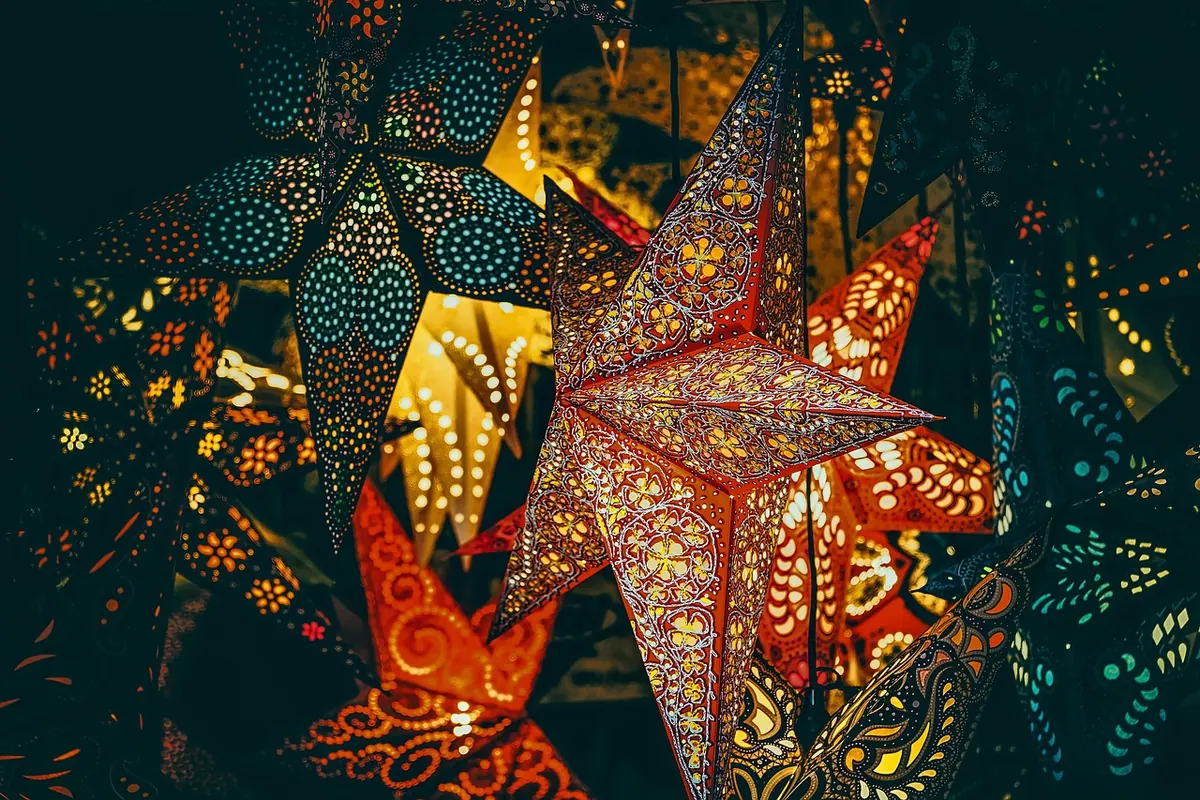
Photo: Couleur / Pixabay