Trending

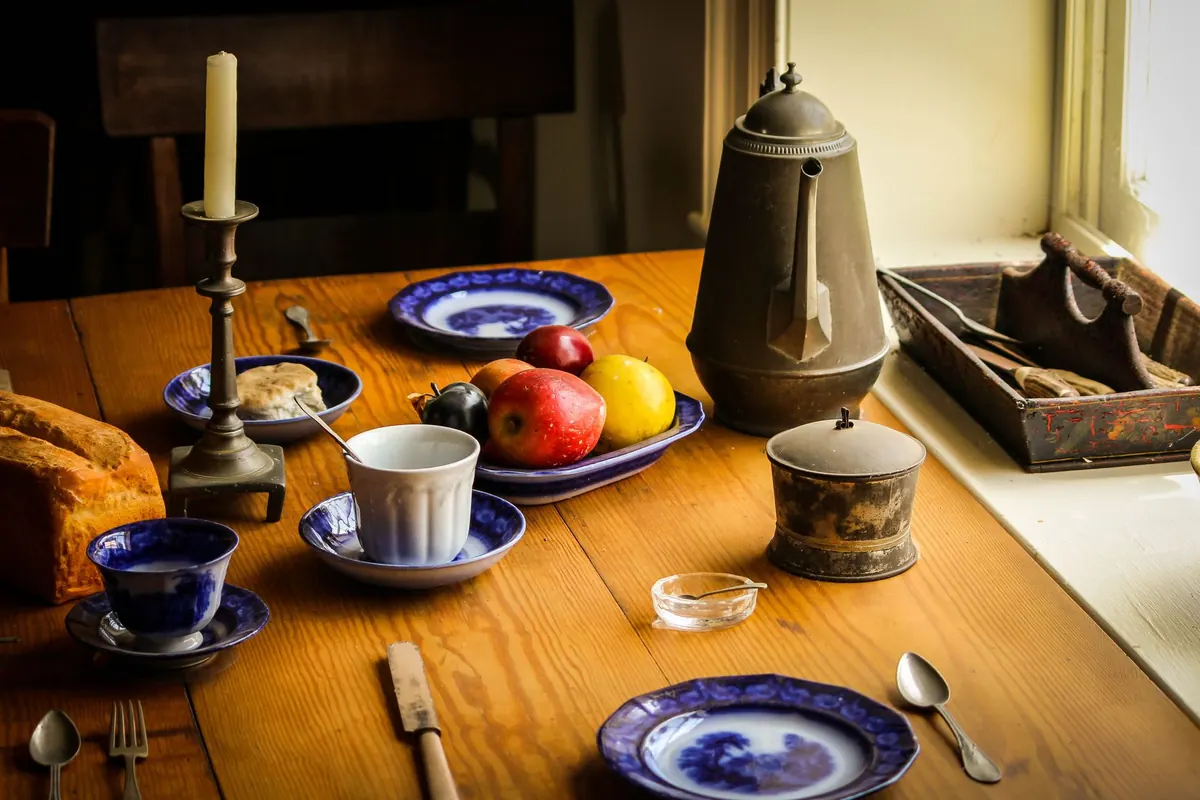
Two listings, same island, similar nightly rates. One is a cottage with a wood-burning stove and a view down to the harbour; the other is a room above a dining room that smells of warm bread at half past seven. On paper the money looks comparable. In practice, the two weeks unfold in completely different ways — and the deciding factor is rarely the headline price alone.
Self-catering gives you a rhythm you set yourself. You can leave at six for a dawn tide, come back soaked at four, and eat at nine in whatever you're already wearing. A B&B gives you someone else's rhythm: breakfast served between seven-thirty and nine, rooms usually cleared by ten. That's not a drawback if you like being out early anyway, but it is a constraint.
The honest question to ask yourself is whether cooking on holiday feels restorative or like a second job. Plenty of people genuinely enjoy it — a kitchen, a harbour, a bag of scallops, a bottle of something cold. Others spend the day walking and then resent peeling potatoes. Be truthful about which one you are, because it decides the rest.
The nightly rate is the least useful number to compare. Look at the total instead.
A B&B rate includes a proper breakfast, which removes one meal a day from your spending. Extras show up elsewhere: lunches out, dinner every night, because there's no kitchen and no fridge for leftovers. Over a week that adds up sharply.
Self-catering looks cheaper per night in the shoulder season, but the arithmetic hides a few things. Many island cottages run on minimum stays of three, four or seven nights, and changeover days are often fixed to a Saturday, which may force your ferry booking. There's usually a cleaning fee on top. Then there's the shop.
Small island shops are a lifeline and priced accordingly — everything arrives by boat or plane. You will also buy more than you need, because the range is limited and the pack sizes are what they are. Half a cabbage, three rashers, a jar of something you'll use once: it all goes in the bin or comes home in your bag. Where self-catering wins clearly is with numbers. A cottage sleeping six splits the rent and the shopping six ways; per head it comfortably undercuts B&B rooms. Travelling solo or as a couple for two or three nights, a B&B usually works out cheaper — and you get company at breakfast.
Islands produce remarkable food — crab, scallops, lamb, cheese, smoked fish, tomatoes from a polytunnel, whatever the boat brought in that morning. B&Bs are often where this surfaces best. Hosts cook with what's local, and they know which restaurant is worth your money and which one survives on the ferry traffic.
Self-catering lets you cook the catch yourself, badly or brilliantly, and eat it ten minutes from the pan. It also allows the other good island pattern: a long lunch out, then bread, cheese and tomatoes on the terrace at eight o'clock. What it doesn't allow is arriving on a Sunday evening with nothing in the fridge and discovering the shop shut until Tuesday.
Self-catering quietly encourages overpacking. You imagine arriving with a knife roll, spices, coffee, a favourite pan. Don't. Almost everywhere has enough, and some inter-island flights have tight baggage limits that make the whole idea academic anyway.
Think instead about how you're arriving. By car, with a boot, self-catering is easy — you can shop on the mainland before the ferry and carry a week's food across. On foot or by bike, it's a different trip: shopping becomes a loaded walk or a taxi, and a B&B means one bag, dropped once, with a host who will often store it before check-in and after check-out. That single courtesy can transform a day of ferries. Self-catering check-in is frequently a key safe at four in the afternoon, with nobody to ask about the bus timetable.
It's tempting to assume B&Bs are the virtuous choice. Often they are: the money goes to a household that lives on the island, employs local cleaners, and sends guests to the village pub. Many are small, owner-run, and close over the winter.
Self-catering isn't automatically the villain either. Holiday lets sustain village shops through the quiet months when B&Bs are shut, and they pay local cleaners and laundries. The genuine tension is housing: on many islands, the number of homes given over to holiday letting has made it harder for people who work there to find somewhere to live. That's a real issue, and it's worth thinking about when you choose between a purpose-built let and a spare room in someone's house.
Whichever you pick, the practical version of this is simple. Buy from island producers rather than shipping in a supermarket shop. Use the village shop even when it costs a little more. Pay honestly at roadside boxes. Eat out at least once. And remember that in a B&B you're a guest in someone's home, not a customer in a hotel.
Choose self-catering if you're four or more, staying a week or longer, keeping odd hours, walking in wet weather with kit to dry, or you want to cook what you caught or bought.
Choose a B&B if you're solo or a couple, taking a short break, arriving late or leaving early, keen on local recommendations, or simply unwilling to spend a holiday thinking about meals.
Ask the owner directly, by email, rather than guessing from the listing. Island properties are frequently older, quirkier and less standardised than mainland ones, and hosts would much rather answer three questions now than fix a misunderstanding later.
Then do one crude calculation before deciding: estimate a daily food cost for each option, including the meals you'd eat out either way. That number, not the room rate, is usually what settles it. And if the trip sits inside a tight budget, run the figures yourself rather than relying on general advice — the answer changes with the island, the season and how many of you there are.
Photo: Pixabay / Pexels