Trending

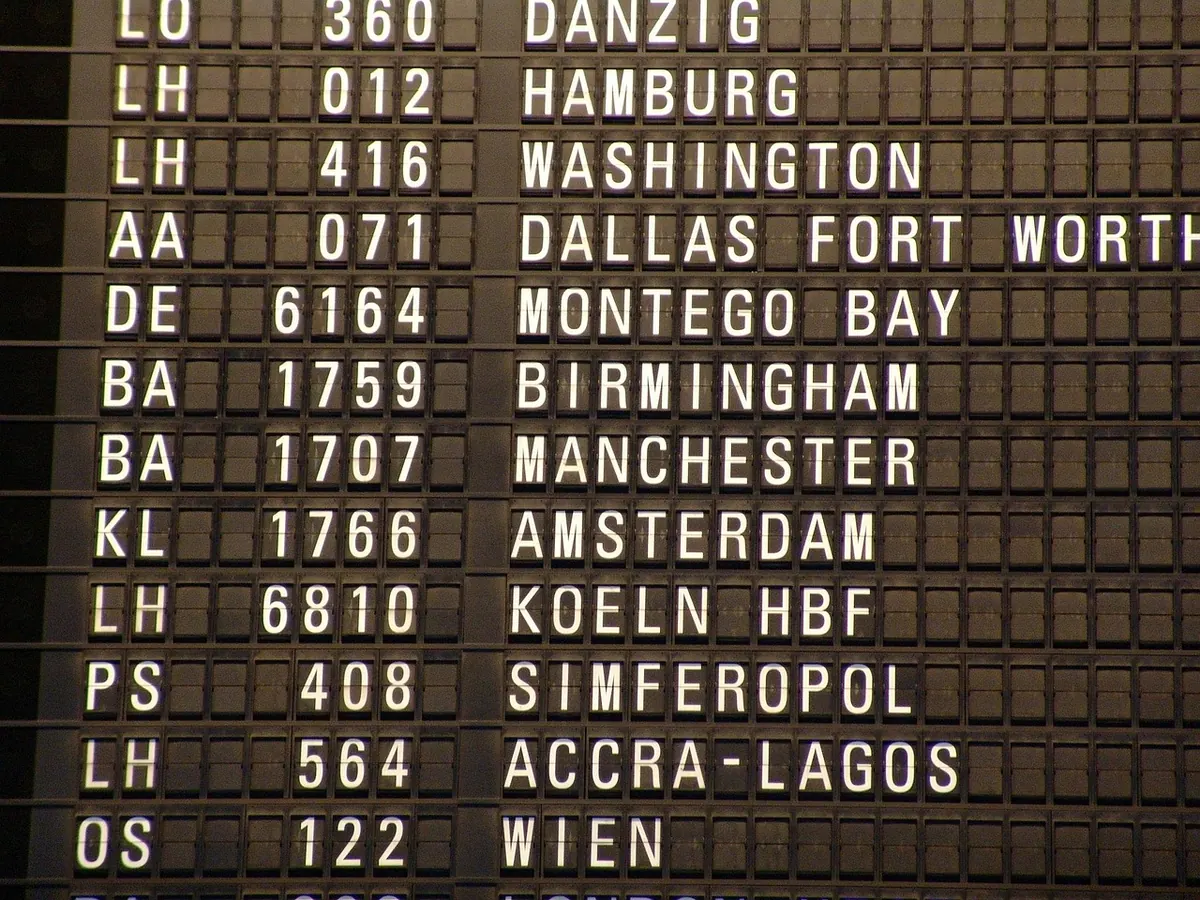
The quickest way to spot a first-time visitor on an island is the person standing at the ferry terminal at 18:05, staring at a departure board that has just gone blank. Everyone else has already drifted home, or to the pub, or back to the car. They know something the visitor is about to learn: an island timetable is a best guess offered in good faith, not a contract.
That is not a reason to avoid islands. It is a reason to plan differently.
Crews are not being careless when they cancel the 14:40. They are reading the same forecast you are, plus a handful of things you cannot see from the pier: swell at the harbour mouth, the depth of water over the sill at low tide, wind direction across the ramp, visibility, and how a loaded vehicle deck will sit in a beam sea. Any one of those can turn a routine crossing into a bad idea.
Most small islands have one vessel per route, and that matters more than visitors expect. A forty-minute delay at breakfast does not disappear — it travels through the day, because the same boat and often the same crew have to run every return leg. Add rest periods and legal limits on working hours, and a modest morning problem can quietly kill an evening sailing.
Then there is freight. On many routes the boat carrying you also carries the mail, the groceries, the gas bottles and a builder's van. Those loads have to be balanced and lashed, and they come on in a set order. If you are waved to one side while a lorry reverses aboard, that is not rudeness. It is the reason the shop will have bread tomorrow.
Island timetables have footnotes for a reason. Read them before you book anything else.
Printed copies left in the harbour office, the village shop or on the notice board are often more current than a website that was updated in the spring. If you are unsure, ring the ferry office during working hours — a two-minute call beats an afternoon in a car park.
Here is a rule worth memorising: never plan to take the last sailing of the day to a place you have never been.
If that crossing is cancelled, your options shrink to whatever is open at that hour — a taxi that may not exist, a guesthouse that may be full, a road with no lighting and no pavement. Arrive in daylight when you can. It gives you a margin, and it gives you a chance to find the key safe, the water tap and the turning you missed.
The same thinking applies on the way out. Do not book a flight or a train for the same day as a crossing unless there are hours of slack between them. A night near the mainland port before an early flight is dull. It is also the only version of that plan that survives a cancelled sailing.
Island services run on island numbers. One bus may serve the whole community, which often means no evening service and nothing at all on Sundays. Shops close for half-days, sometimes for lunch, and cafés and attractions frequently shut out of season without updating anything online. Petrol can be a single pump with limited hours. Taxis are few and get booked solid around ferry arrivals and dinner time.
Bookings follow the same rhythm. An email sent on Friday may be answered on Monday, because the person reading it also runs the front desk, the breakfast and the laundry. Phone if it is urgent, and be patient if it is not.
Check the season your timetable belongs to, book what can be booked, and arrive in daylight. Build a gap into every connection, keep a small amount of cash as well as a card, and expect a day or two's delay on non-urgent messages. Learn who to ask — the ferry office, the harbourmaster, the person behind the shop counter — and ask early rather than at the last minute.
Patience is not a personality trait you need to pack. It is a planning habit, and it is the difference between a holiday spent watching clocks and one spent watching the water. Do the boring preparation once, then let the island set the pace.
Photo: Peggy_Marco / Pixabay