Trending

The first island trip teaches you things no booking site mentions. That the sea keeps its own timetable. That a five-mile drive can take forty minutes. That the shop really does shut at four on a Sunday, and the next ferry isn't until Tuesday.
None of that ruins a holiday on its own. It only becomes a problem when you find out at the wrong moment — standing at a flooded causeway, or watching your sailing leave while you're still queuing for coffee. The ten mistakes below are the ones that catch out first-time visitors most often, and every one of them is easy to sidestep once you know it exists.
Mistake one: treating the flight and the ferry as two unrelated bookings. Flights get delayed. Ferries get cancelled when the wind picks up, and car check-in often closes a good while before departure. If you book the two legs an hour apart to save a night's accommodation, you are gambling with the whole trip.
Give yourself a night on the mainland either side of the crossing, or at least several hours of slack. Check whether the sailing you've chosen is the last of the day, and if travelling with a vehicle, take the arrival time seriously rather than the departure time. It is also worth knowing where you'd sleep if the weather turned and the boat didn't sail at all.
Mistake two: assuming the tide will fit around your plans. Tides decide more than swimming conditions. They cover causeways, cut off headlands, empty and fill harbours, and change which beaches exist. Some tidal islands are walkable for a few hours either side of low water and not at all in between.
Learn to read a local tide table before you go — and use the times for the harbour nearest your route, not the nearest big port, because they can differ by a considerable margin. Ask at the ferry office or the shop for the safe crossing window if you're unsure. Then work backwards: if the return window closes at half past four, plan to be back by three.
If a crossing time sounds tight in the planning stage, it will be tighter on the day, with a camera bag and a headwind.
For rock pooling, beach walks and boat trips, check low and high water too. It takes two minutes and often decides whether the day works.
Mistake three: packing for every possible scenario. Most people use a fraction of what they carry, and then have to haul it up a hill to a guesthouse with no lift. Mistake four: assuming an island means guaranteed sunshine. Coastal wind, sea fog and sudden showers are the norm in many places, even in summer.
What earns its place instead:
Midges and mosquitoes are worth planning for in some regions, particularly on still, damp evenings. Pack repellent rather than hoping. If you have specific health concerns, or you're travelling with a condition that needs managing, speak to a pharmacist or your GP before you travel — island pharmacies are small and may not stock what you need.
Mistake five: expecting shops, cash machines and pharmacies to be where and when you need them. Deliveries come by boat, so stock varies. Sunday opening may be limited to a few hours or not at all. The one cash machine may be out of action, and some cafés and taxis take cash only.
Carry a sensible amount of cash, a card as backup, and buy essentials when you see them rather than when you need them. Mistake six: leaving tables, hire cars, bikes and boat trips to the day itself. On a small island, capacity is tiny. One restaurant, one hire fleet, twelve seats on the wildlife boat. Book anything you'd be disappointed to miss, ideally before you arrive.
Mistake seven: planning a day by map distance alone. Single-track roads with passing places, livestock on the road, steep gradients and no street lighting all add time. A route that looks like twenty minutes on a screen can easily take an hour.
Buses may run a few times a day, and taxis usually need booking rather than hailing. If you're relying on public transport, check the last return service before you set off, and take a photo of the timetable — signal is patchy. Build slack into any day that ends with a ferry, because ferries don't wait, and the next one might be tomorrow.
Mistake eight: having no wet-weather plan. Mist, drizzle and wind are part of island life. Decide in advance what you'll do instead of the cliff walk: a museum, a distillery tour, a long lunch, a swim in a sheltered bay. Mistake nine: cramming the itinerary. Islands reward lingering, and a packed schedule falls apart the moment one crossing is delayed.
Aim for one firm plan per day and one optional extra. Keep a spare day if you can — that's the day you'll end up using for the trip you only heard about once you arrived.
Mistake ten: sorting the boring parts when you land. Travel insurance for the activities you actually plan to do, a check on whether your accommodation has parking, a note of the ferry company's contact details, and a rough idea of how you'll get from the pier to your bed. None of it is exciting, and all of it matters more when the weather turns.
For anything involving money, insurance or medical care, get proper advice from the relevant provider or a professional rather than relying on forum posts.
Do that, and you'll spend your first island trip noticing the light on the water rather than the timetable. Which is, after all, the point.
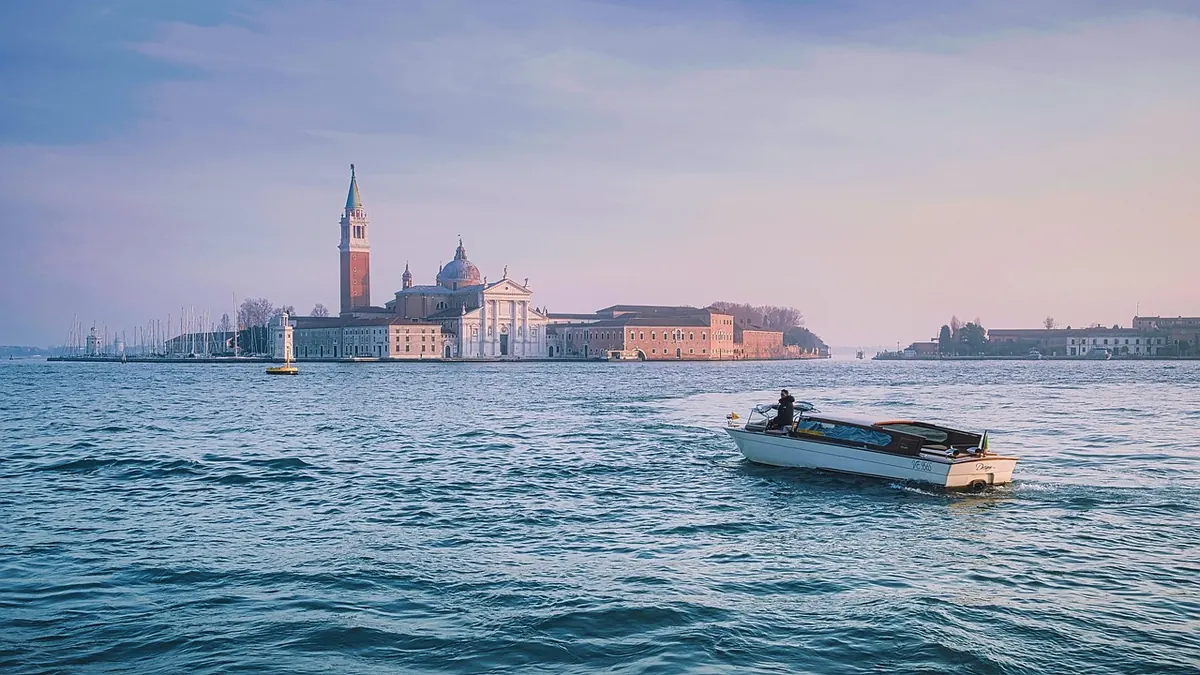
Photo: Paul_Henri / Pixabay